-
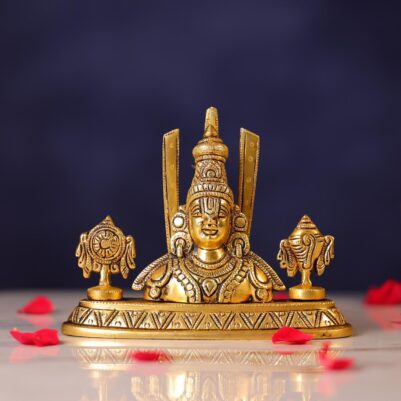
Brass Lord Venkateswara Idol Height 5.5 Inch with Shankha Chakra
Original price was: ₹8,000.₹5,999Current price is: ₹5,999. -
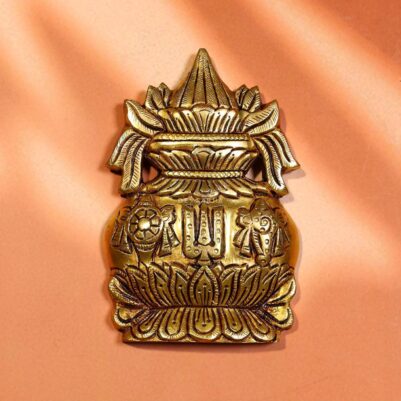
Brass Wall Hanging Kalash with Shankha Chakra Namah – 5.5 Inch
Original price was: ₹4,000.₹1,799Current price is: ₹1,799. -
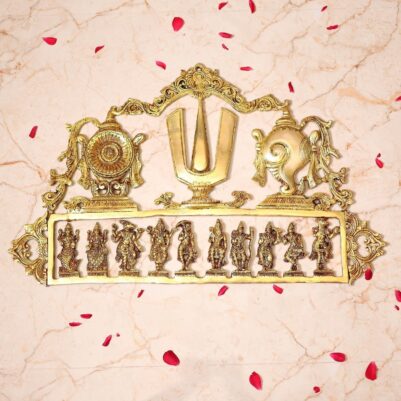
Brass Dashavatar Wall Hanging with Shankha Chakra Namah 15 Inch
Original price was: ₹30,000.₹16,999Current price is: ₹16,999. -
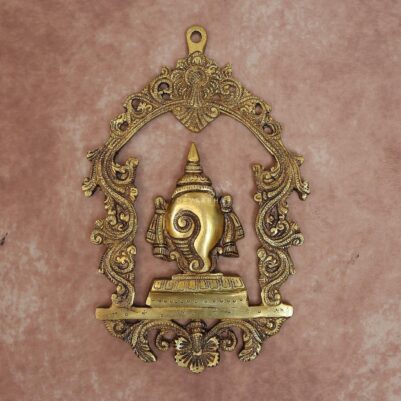
Brass Wall Hanging Shankha Idol 12 Inch Traditional and Beautiful Decorative Statue
Original price was: ₹16,000.₹5,999Current price is: ₹5,999. -
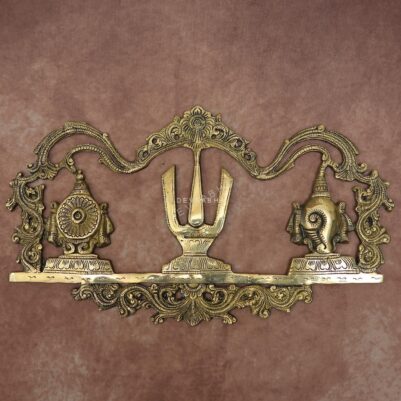
Brass Wall Hanging Shankha Chakra Namah Idol 11 Inch Traditional Decorative Statue
Original price was: ₹20,000.₹10,999Current price is: ₹10,999. -
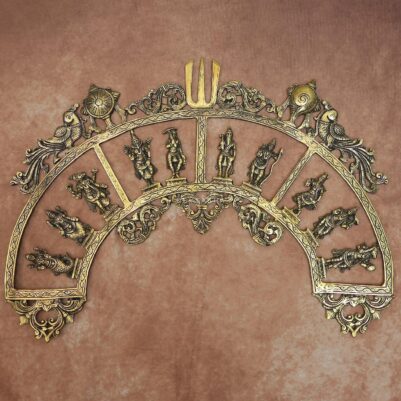
Brass Wall Hanging Dashavatar Idol With Shankha Chakra Namah 17.5 Inch Decorative Statue
Original price was: ₹26,000.₹15,599Current price is: ₹15,599. -
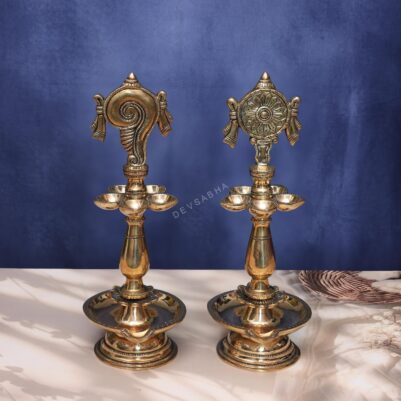
Antique Brass Shankha Chakra Lamp Pair 14.5 Inch Traditional Decorative Statue,,
Original price was: ₹28,000.₹17,999Current price is: ₹17,999. -
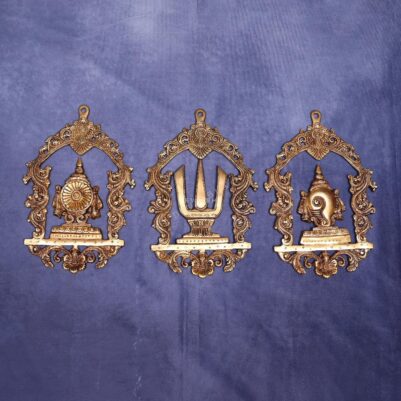
Brass Wall Hanging Sankha Chakra Namah Idol for Home Decor 12 Inch
Original price was: ₹25,000.₹16,999Current price is: ₹16,999. -
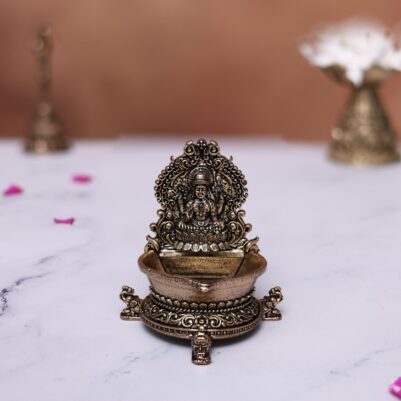
Brass lakshmi diya height 3 inches
Original price was: ₹4,999.₹1,299Current price is: ₹1,299. -
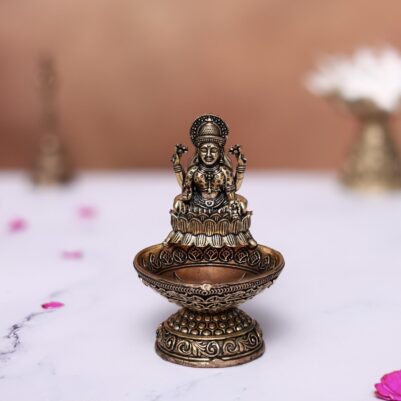
Brass lakshmi diya height 3.7 inches
Original price was: ₹4,999.₹1,899Current price is: ₹1,899. -
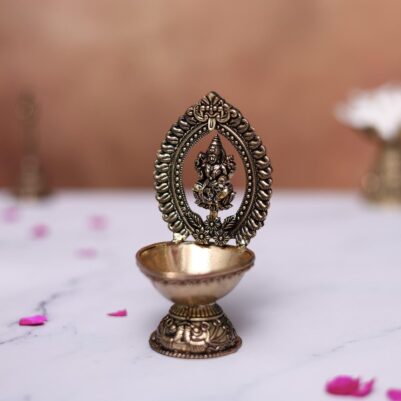
Brass laxmi diya height 4.5 inches
Original price was: ₹4,999.₹1,749Current price is: ₹1,749. -
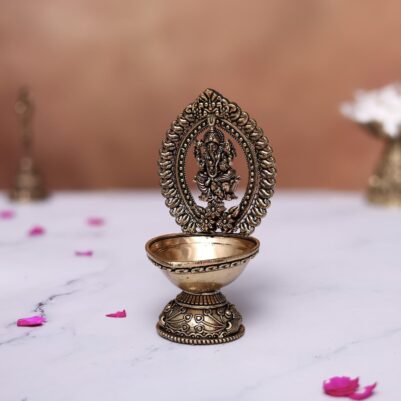
Brass ganesh diya height 4.5 inches
Original price was: ₹4,999.₹1,599Current price is: ₹1,599. -

Brass tirupati laxmi diya set height 5.3 inches
Original price was: ₹6,999.₹2,999Current price is: ₹2,999. -
Brass ganesh laxmi diya set height 4.5 inches
Original price was: ₹6,999.₹3,399Current price is: ₹3,399. -
brass sankha five petal hanging diya
Original price was: ₹8,900.₹2,999Current price is: ₹2,999. -
brass chakra five petal hanging diya
Original price was: ₹8,900.₹2,999Current price is: ₹2,999. -
Super fine brass sankha chakra hanging diya
Original price was: ₹8,900.₹5,699Current price is: ₹5,699. -
Brass black 48 inches Tirupati balaji with sankha chakra diya set
Original price was: ₹280,000.₹169,999Current price is: ₹169,999.
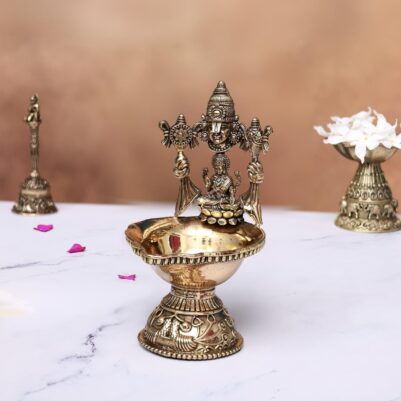
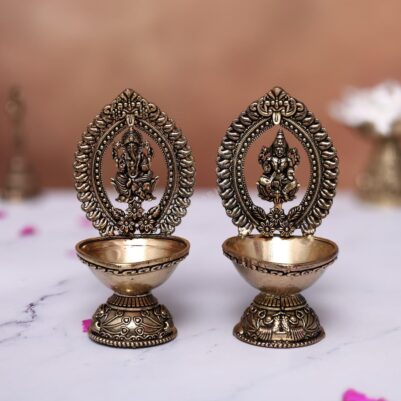
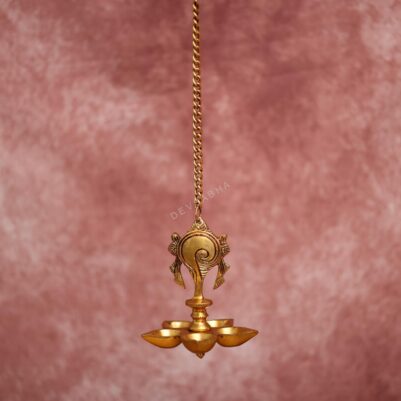
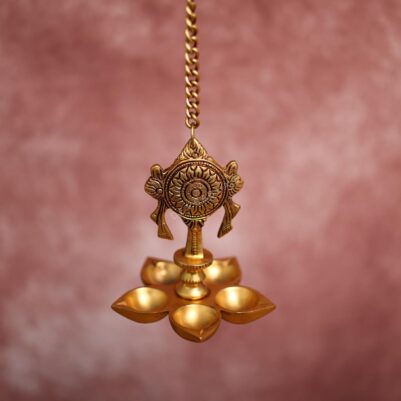
Brass Sankha Chakra Diyas, Balaji Idols and Wall Pieces
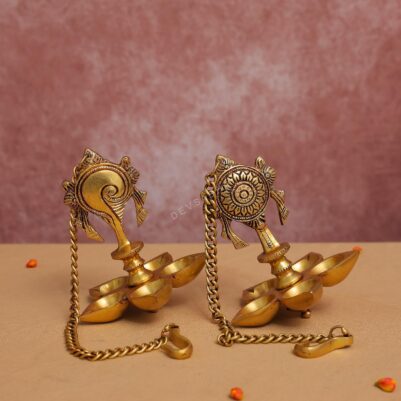
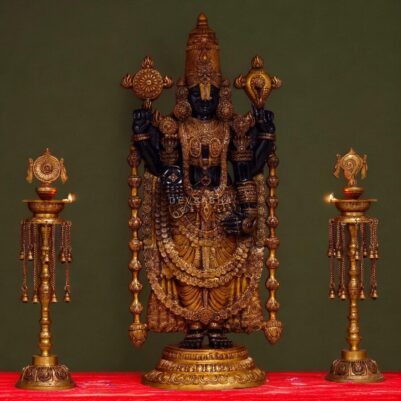
In most South Indian homes, two lamps stand on either side of Balaji or Vishnu: one shaped like a sankha, the other like a chakra. These are the two signs Lord Vishnu holds in his upper hands, and the namah between them is the tilak you see on Venkateswara's forehead. Everything on this page carries those signs in brass, 35 pieces in all, from a 2 inch diya to a 48 inch Balaji.
What you will find here
- Sankha chakra diya and lamp sets (11): pairs that stand on each side of the deity, from 3 inch to 30 inch. The 13 inch lamp set and the 8 inch diya set are popular sizes for a home mandir. There is also a namah diya with three lamps and one antique finish pair.
- Hanging diyas (3): 20.5 inch hanging diyas with the sankha or the chakra, two of them with five petal cups.
- Balaji idols with sankha chakra (5): the 5.3 inch Balaji with sankha, chakra and namah is our most bought piece here. Sizes go up to 24.2 inch, and two 48 inch Balaji come with their own sankha chakra diya set, one in golden brass and one in black lacquer coating.
- Wall hangings (7): sankha chakra namah plates and kalash pieces from 5 inch, and Dashavatar wall hangings of 15 and 17.5 inch.
- Small pooja diyas (7): Lakshmi and Ganesh diyas from 2 to 5.3 inch for daily aarti.
- Also a 4.1 inch sankha chakra namah stand and a 38 inch three tier Krishna diya.
Picking the right size
Match the lamps to your murti. For a small Balaji or Vishnu, a diya set of 3 to 8 inch looks right. For a pooja room murti, go for the 12 to 14.5 inch lamps. The 30 inch set and the hanging diyas suit a temple or a big hall.
How these pieces are finished
Every piece is cast in brass and then gone over by hand with a chisel, which keeps the lines of the sankha and the spokes of the chakra sharp. Most are plain golden brass. Wipe them with a dry cloth after each use, and see our guide on cleaning brass at home for oil marks on the lamps. For more lamps, visit Brass Diyas and Lamps; for the deity himself, see Tirupati Balaji Idols and Brass Vishnu Murti.
Questions buyers ask
Which side does the sankha go and which side the chakra?
Look at Balaji: he holds the chakra in his upper right hand and the sankha in his upper left. Most families place the lamps the same way, chakra on his right and sankha on his left.
What is the namah?
It is the tilak of Lord Venkateswara: a white U shape with a red line in the middle. On many of these pieces it sits between the sankha and the chakra.
Can I light oil in the sankha chakra lamps every day?
Yes, the lamp sets and diyas are made for oil or ghee and a cotton wick. Wipe out the old oil before refilling so it does not darken the brass.
Are the lamps sold as a pair?
Most diya and lamp sets on this page are pairs, one sankha and one chakra. Each product page says what you get, so check there before you order.
Light the pair on Saturday, Balaji's day, and the whole mandir glows gold.